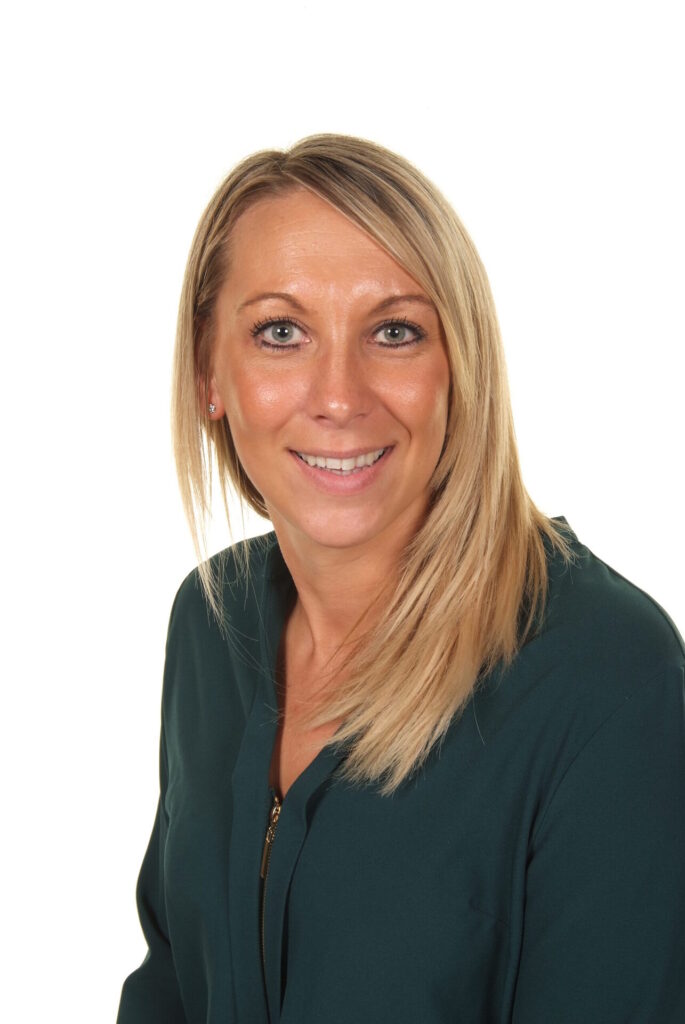
Miss K Griffiths (Music Lead)
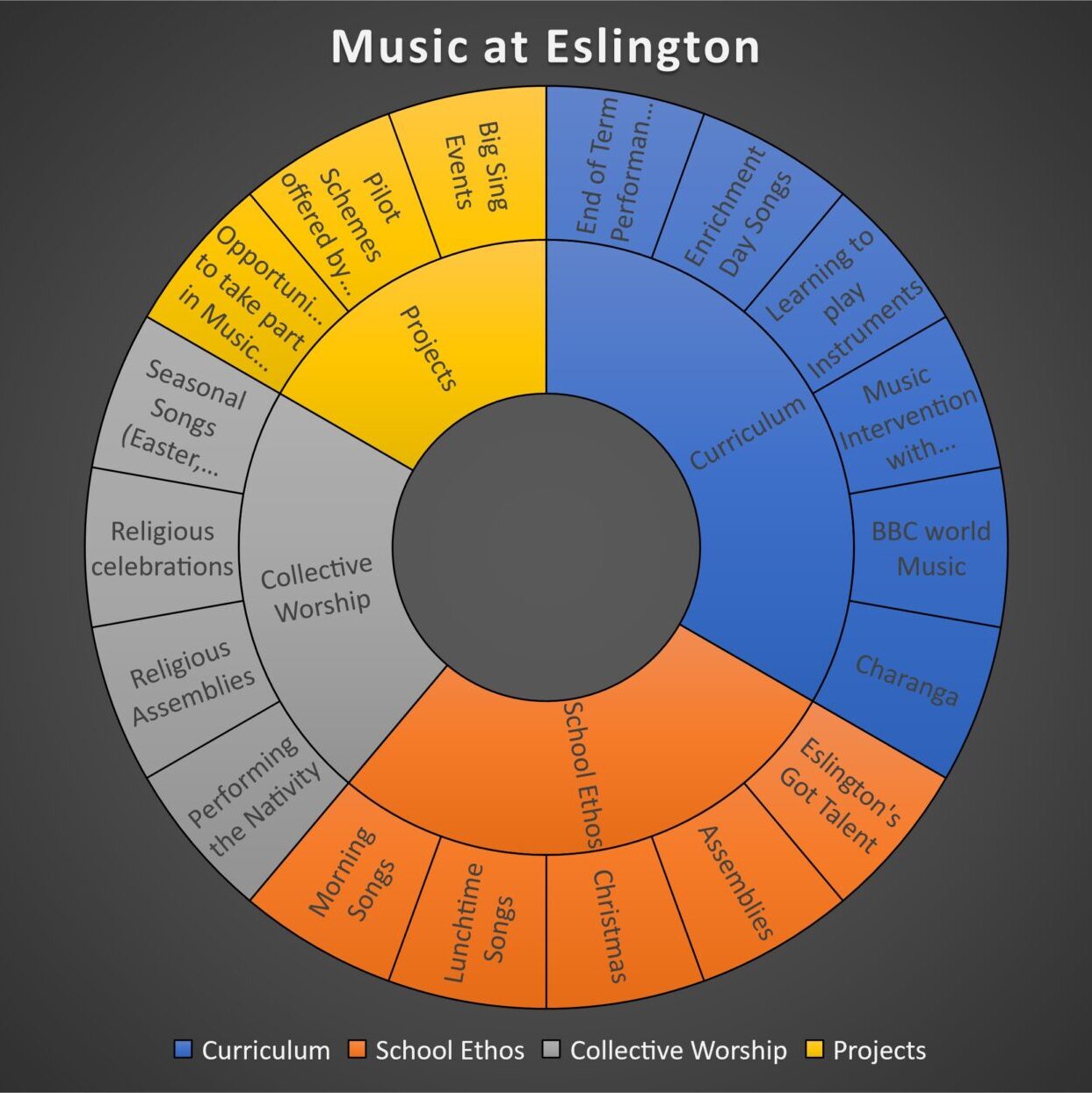
At Eslington Primary School, our music curriculum aims to deliver a high-quality music education which helps our young learners to develop creativity, imagination, good listening skills, constructive criticism and the ability to express personal thoughts and feelings. Children are offered a range of opportunities to explore and perform different styles music using tuned and untuned instruments. Through assemblies, whole school performances and in lessons our pupils explore different genres, as well as the history of music.
At Eslington Primary School:
- We want every child to fully develop their music potential through a high-quality, inspirational and enjoyable music education from the Early Years through to Y6 and beyond.
- We want all children to be musically confident and to have a good understanding of the elements of music.
- We want all children to enjoy taking part in singing activities and to have a positive experience of playing musical instruments.
- We want all children to develop active listening and the ability to evaluate and discuss what they hear.
- We want all children to feel confident and skilled to create their own music and to communicate with others through music.
- We would like all children to feel inspired and determined to continue their music making and listening experiences once they leave primary school.
The national curriculum for music aims to ensure that all pupils in Key Stage 1 should be taught to:
- use their voices expressively and creatively by singing songs and speaking chants and rhymes
- play tuned and untuned instruments musically
- listen with concentration and understanding to a range of high-quality live and recorded music
- experiment with, create, select and combine sounds using the inter-related dimensions of music.
The national curriculum for music aims to ensure that all pupils in Key Stage 2 should be taught to:
Pupils should be taught to sing and play musically with increasing confidence and control. They should develop an understanding of musical composition, organising and manipulating ideas within musical structures and reproducing sounds from aural memory.
Pupils should be taught to:
- play and perform in solo and ensemble contexts, using their voices and playing musical instruments with increasing accuracy, fluency, control and expression
- improvise and compose music for a range of purposes using the inter-related dimensions of music
- listen with attention to detail and recall sounds with increasing aural memory
- use and understand staff and other musical notations
- appreciate and understand a wide range of high-quality live and recorded music drawn from different traditions and from great composers and musicians
- develop an understanding of the history of music.